Who Owns the Growth? What we heard in Liverpool and what Pathway Fund must do next
By Asher Craig, Chief Executive, Pathway Fund
At the Labour Party Conference in Liverpool, Pathway Fund convened Who Owns the Growth? to ask a question that should sit at the heart of every investment and devolution strategy: when growth comes to a place, who gets the capital, who owns the assets it creates and who gets to shape what happens next?
The discussion left me more convinced than ever that the barrier is not a shortage of talent or ambition in Black and ethnically minoritised communities. It is the structure of the system around them. Changing that structure takes more than opening a funding programme. It takes patient capital, political intention, community ownership and relationships strong enough to outlast an election cycle.
Why we convened this conversation
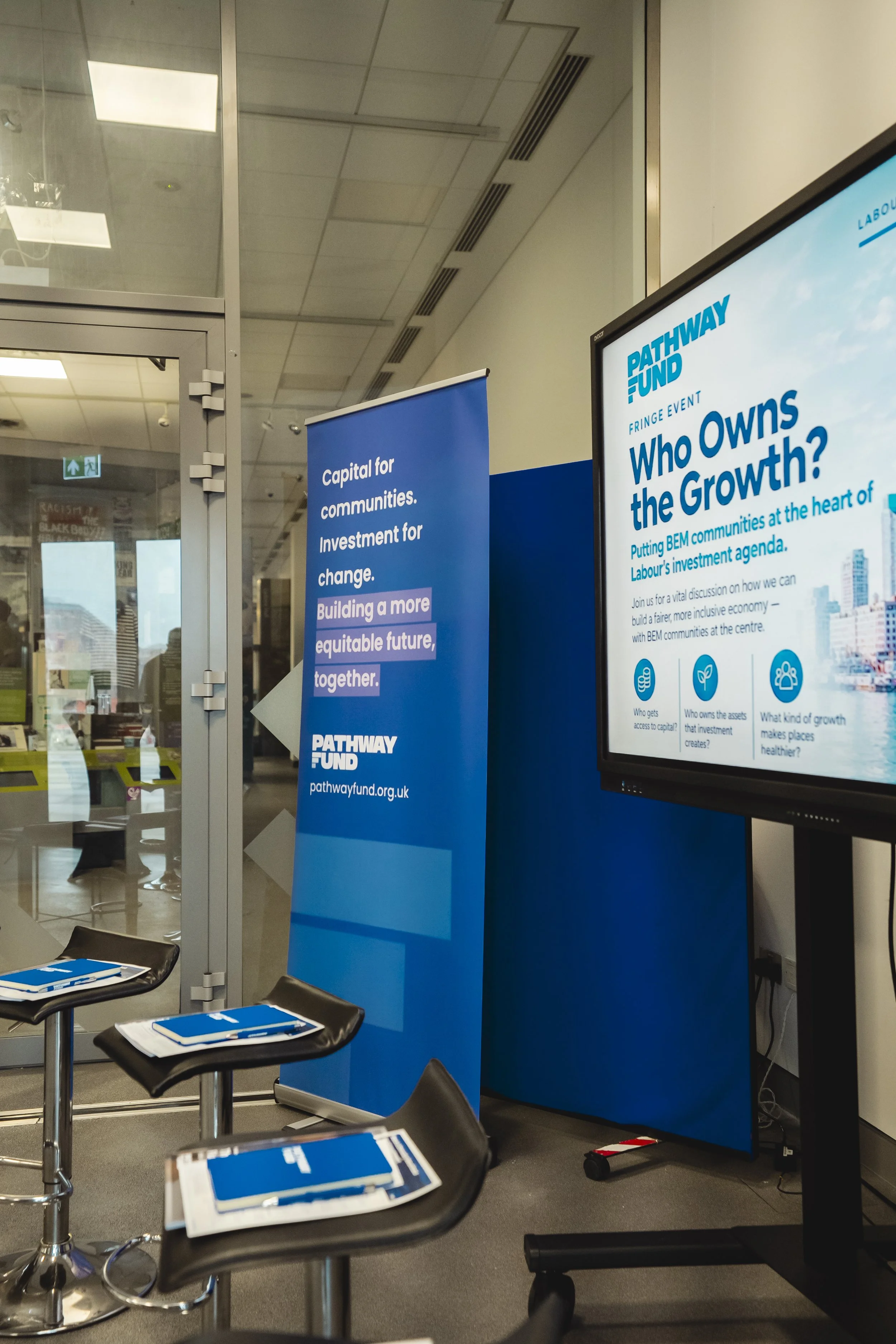
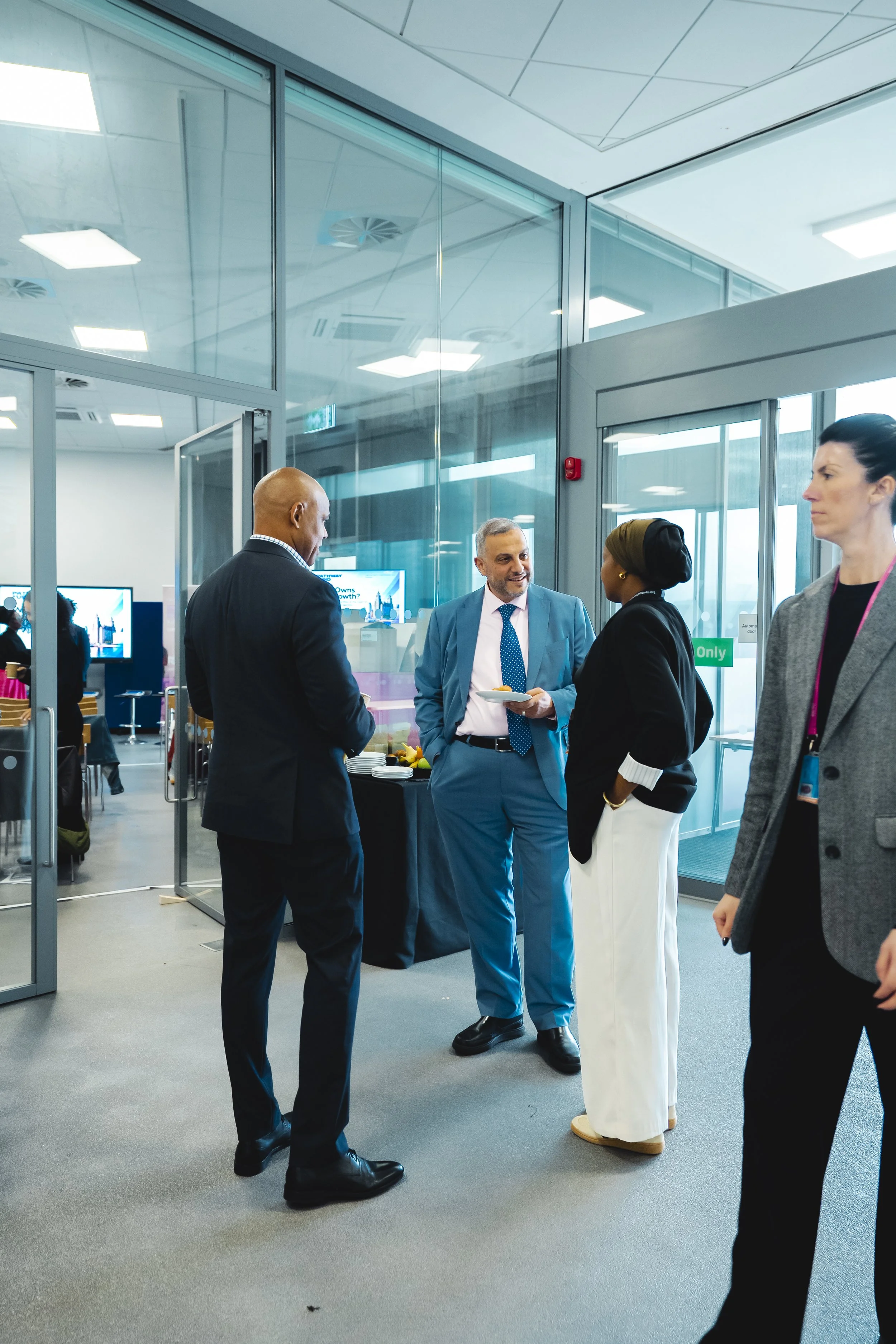
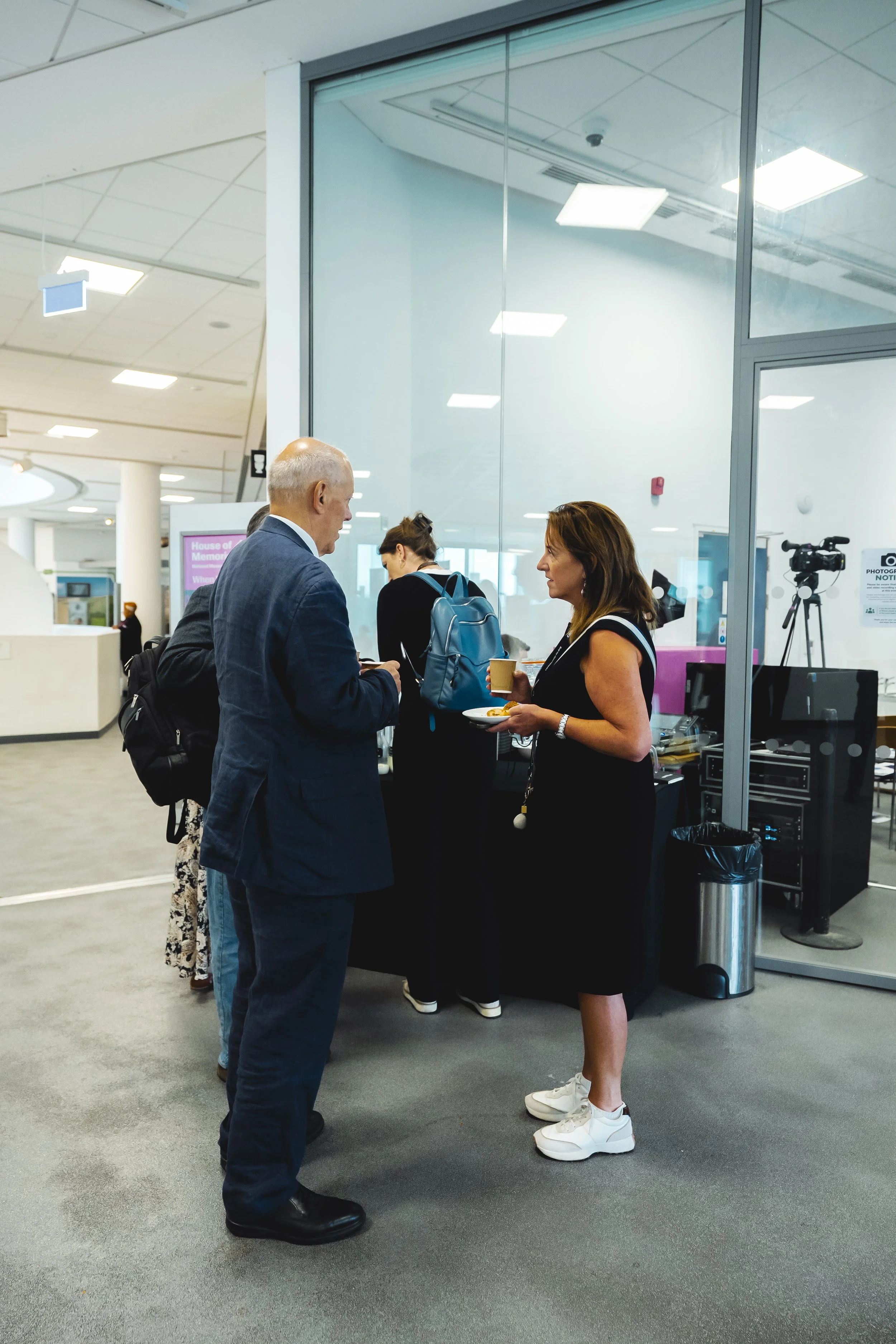
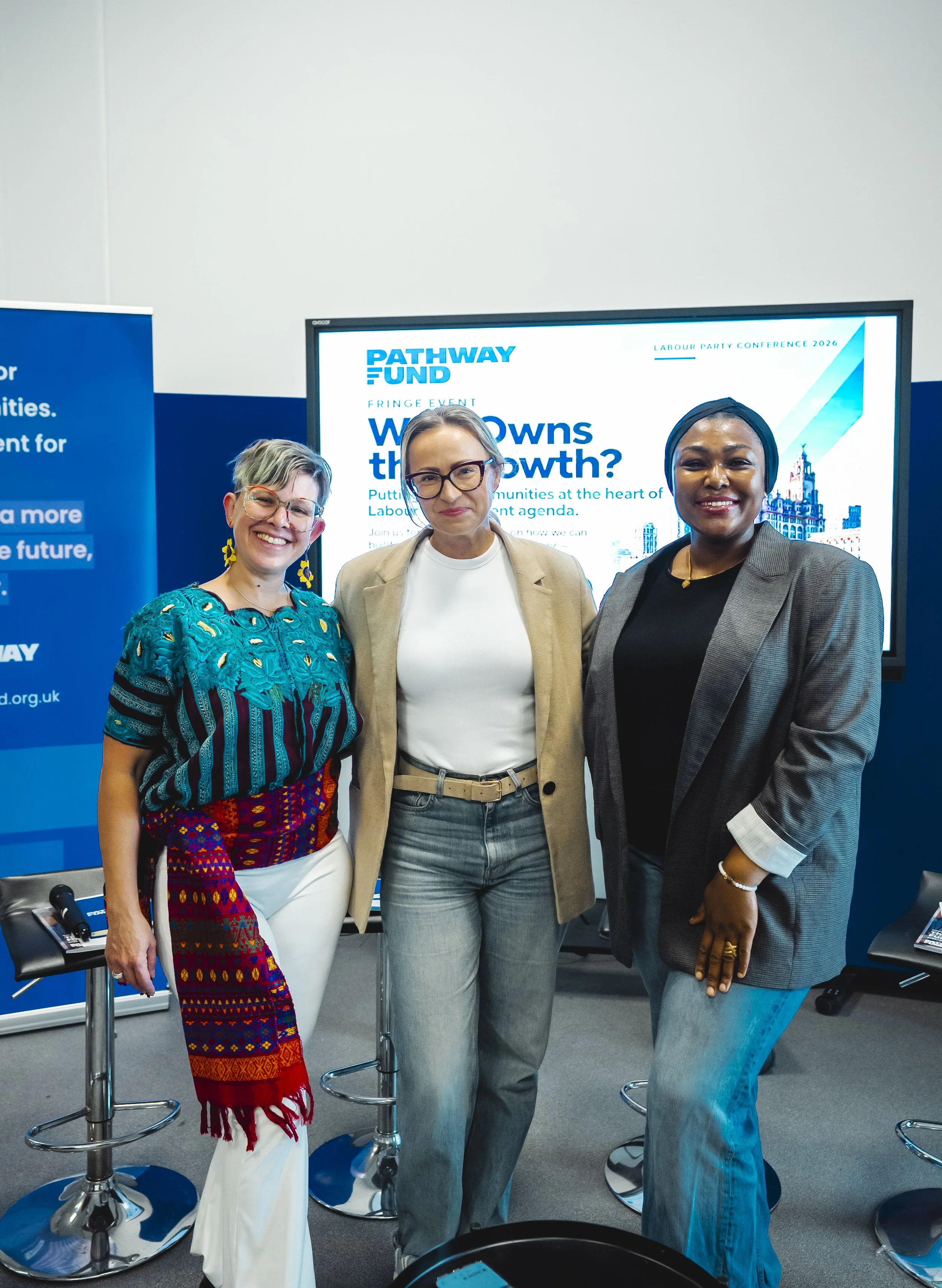
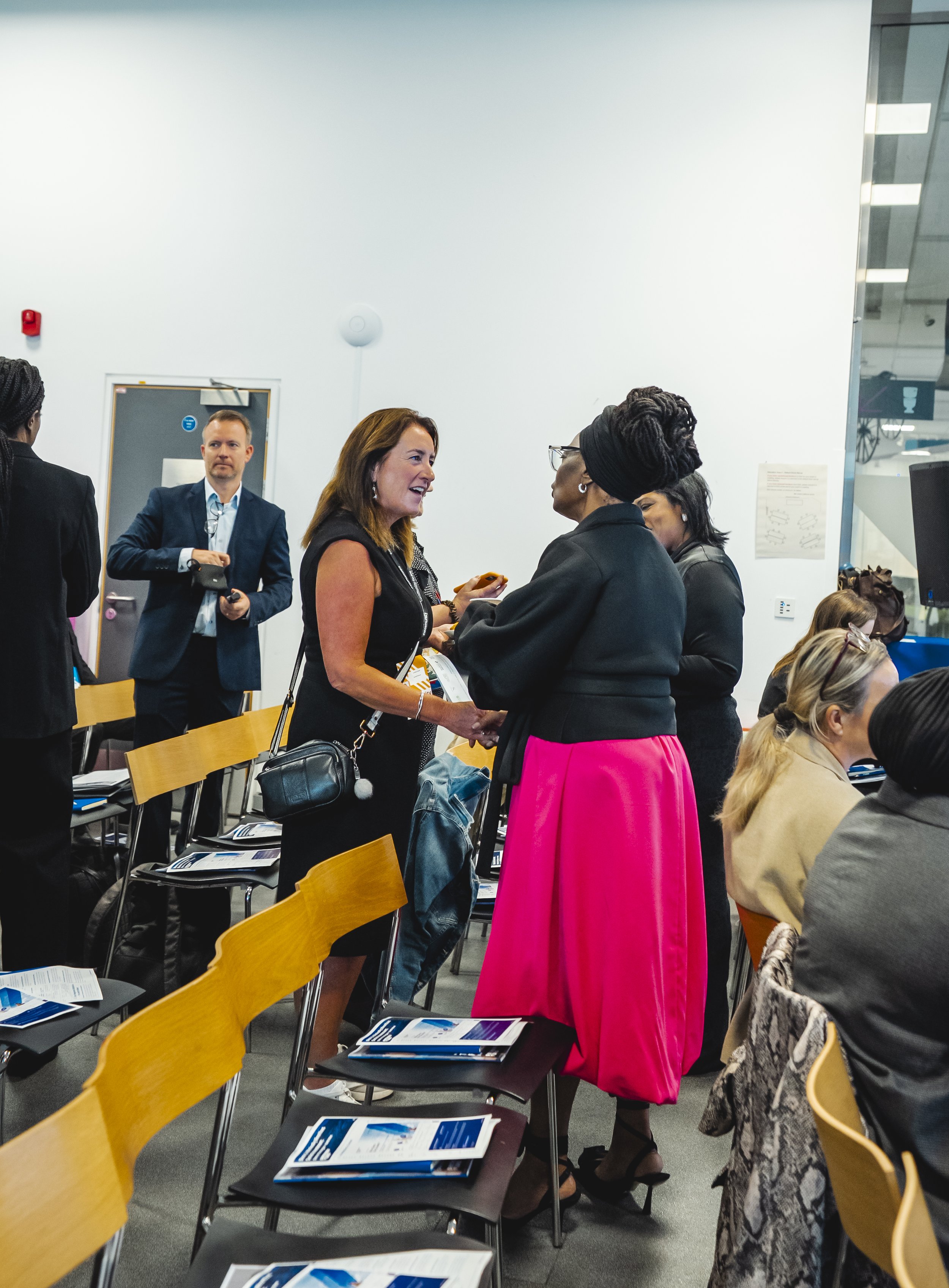
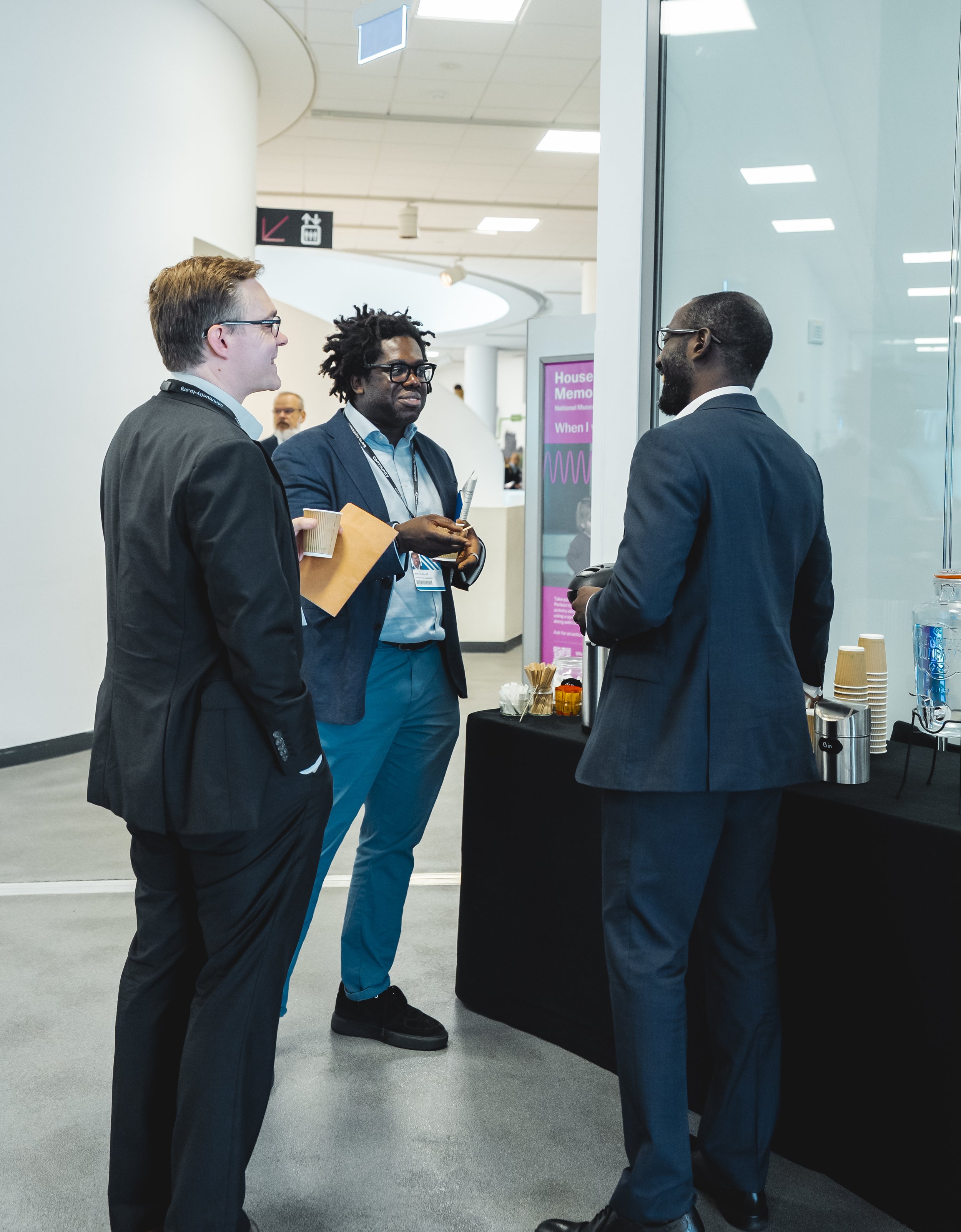
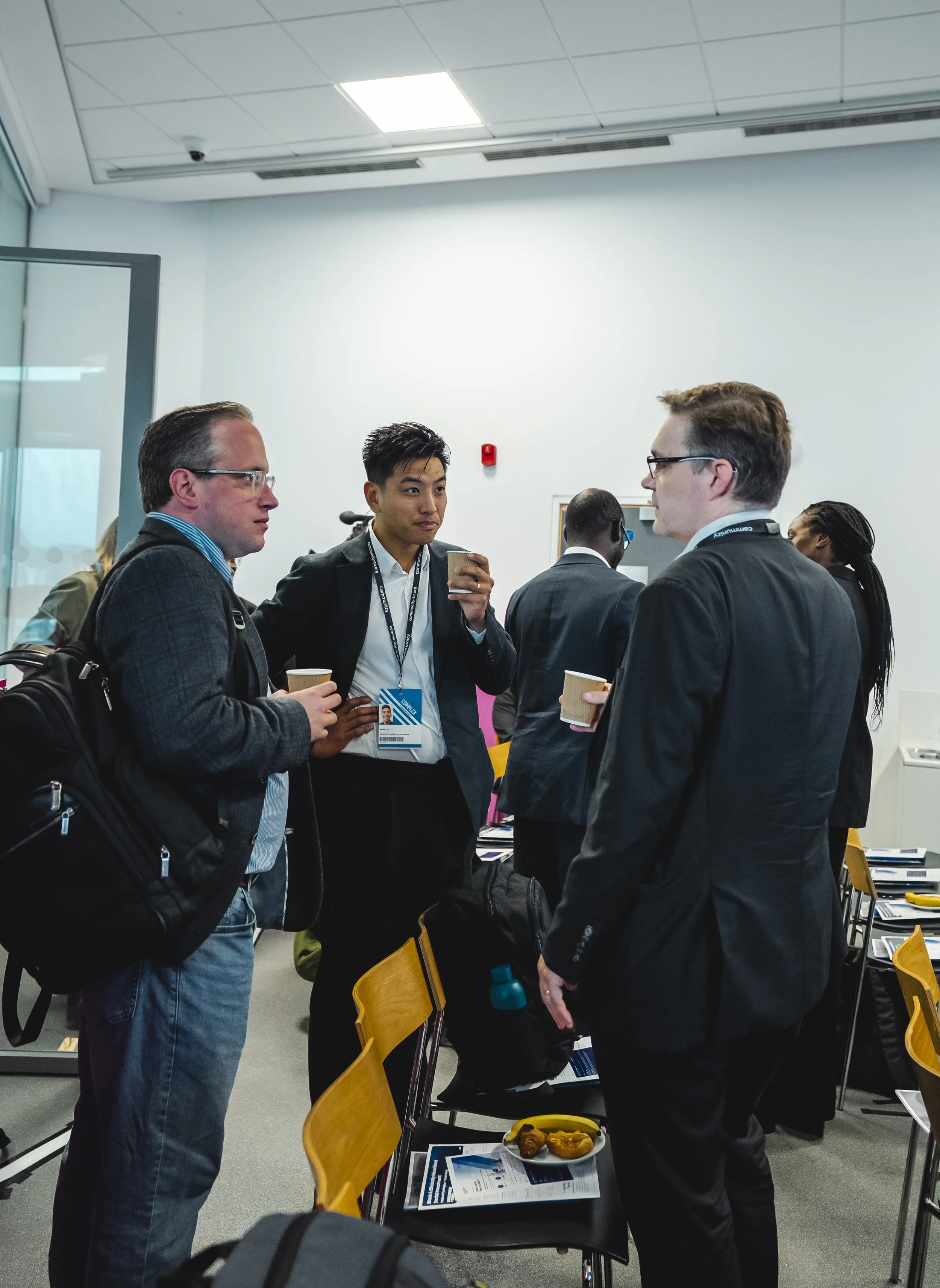
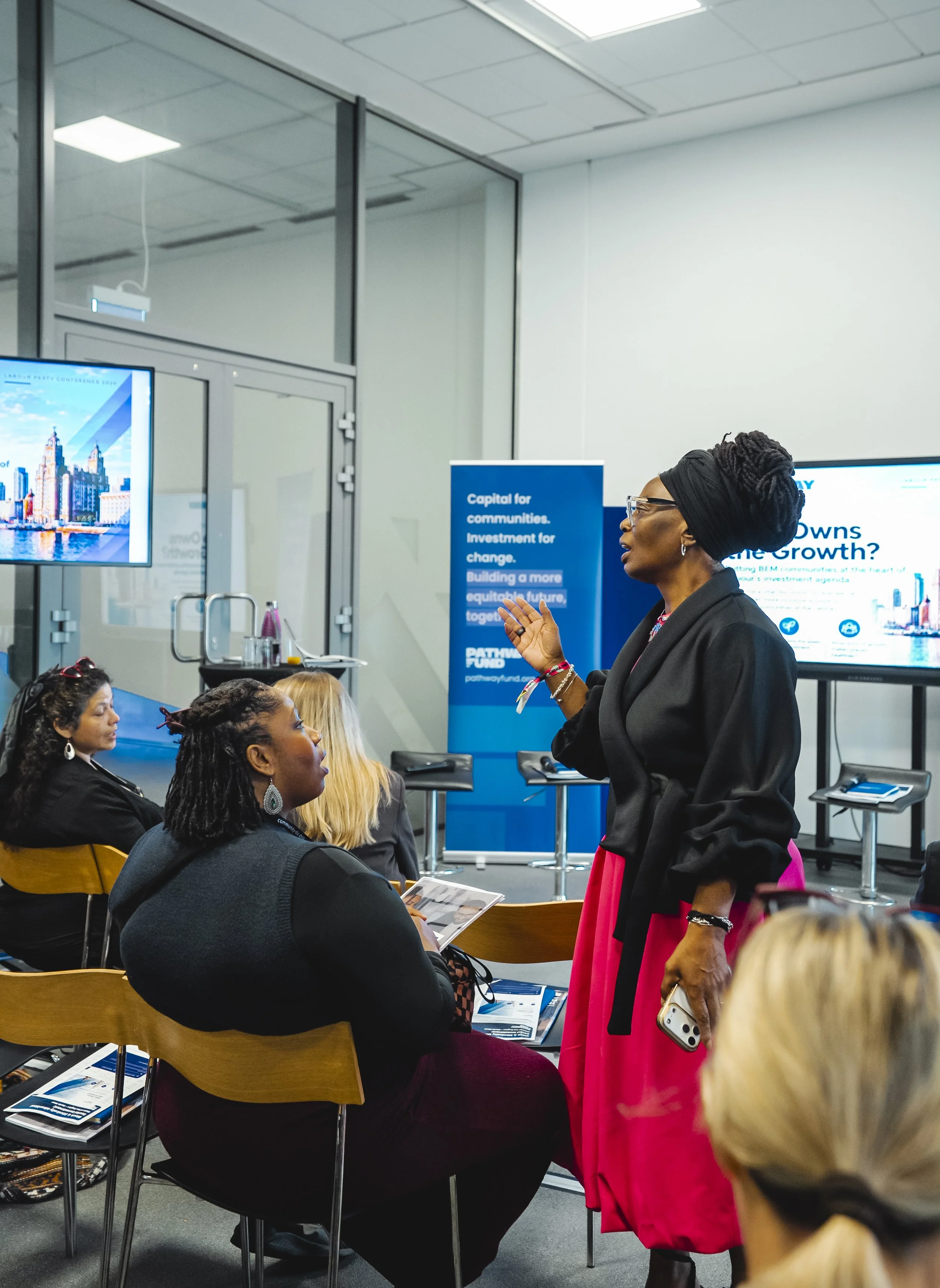
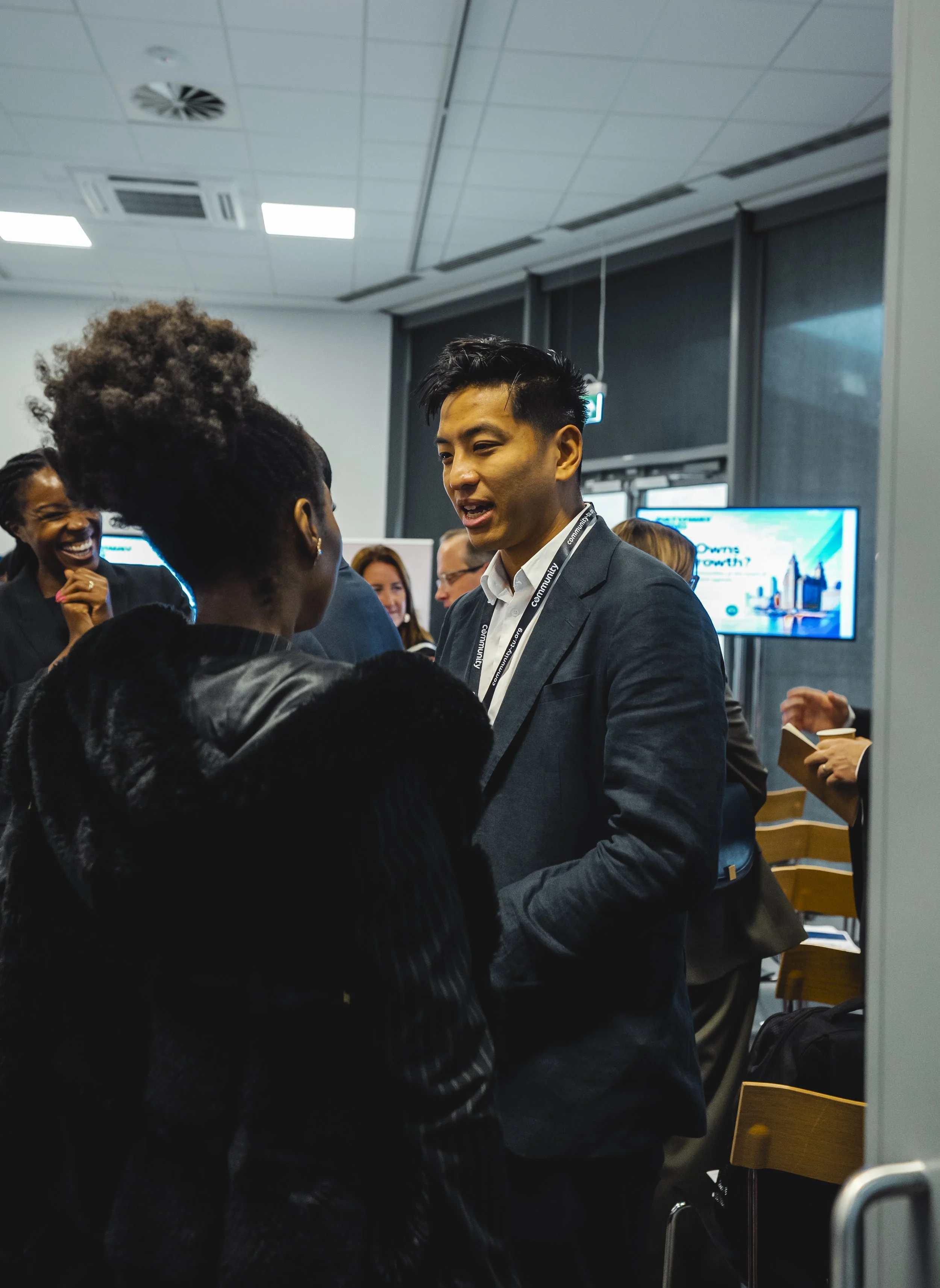
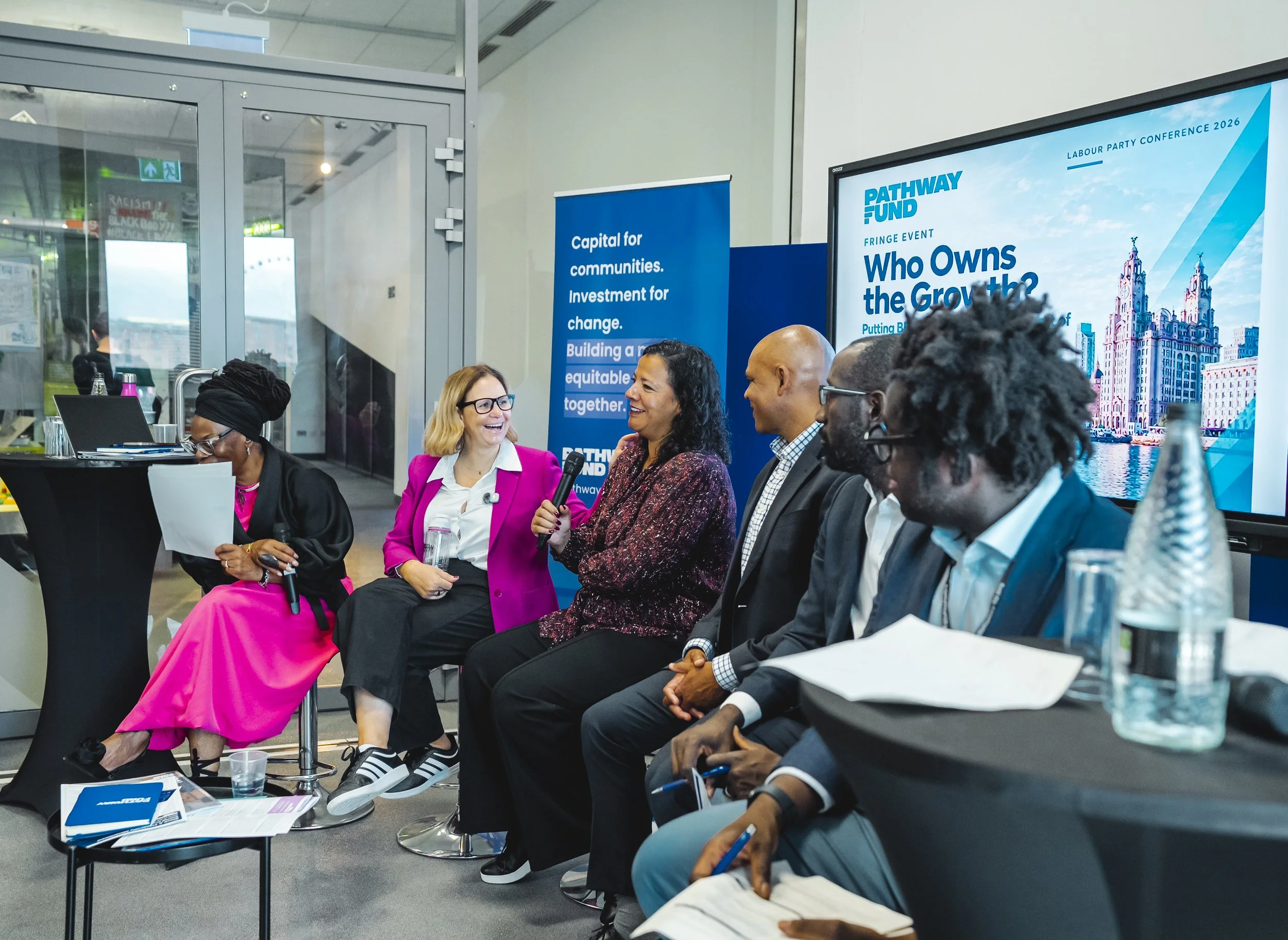
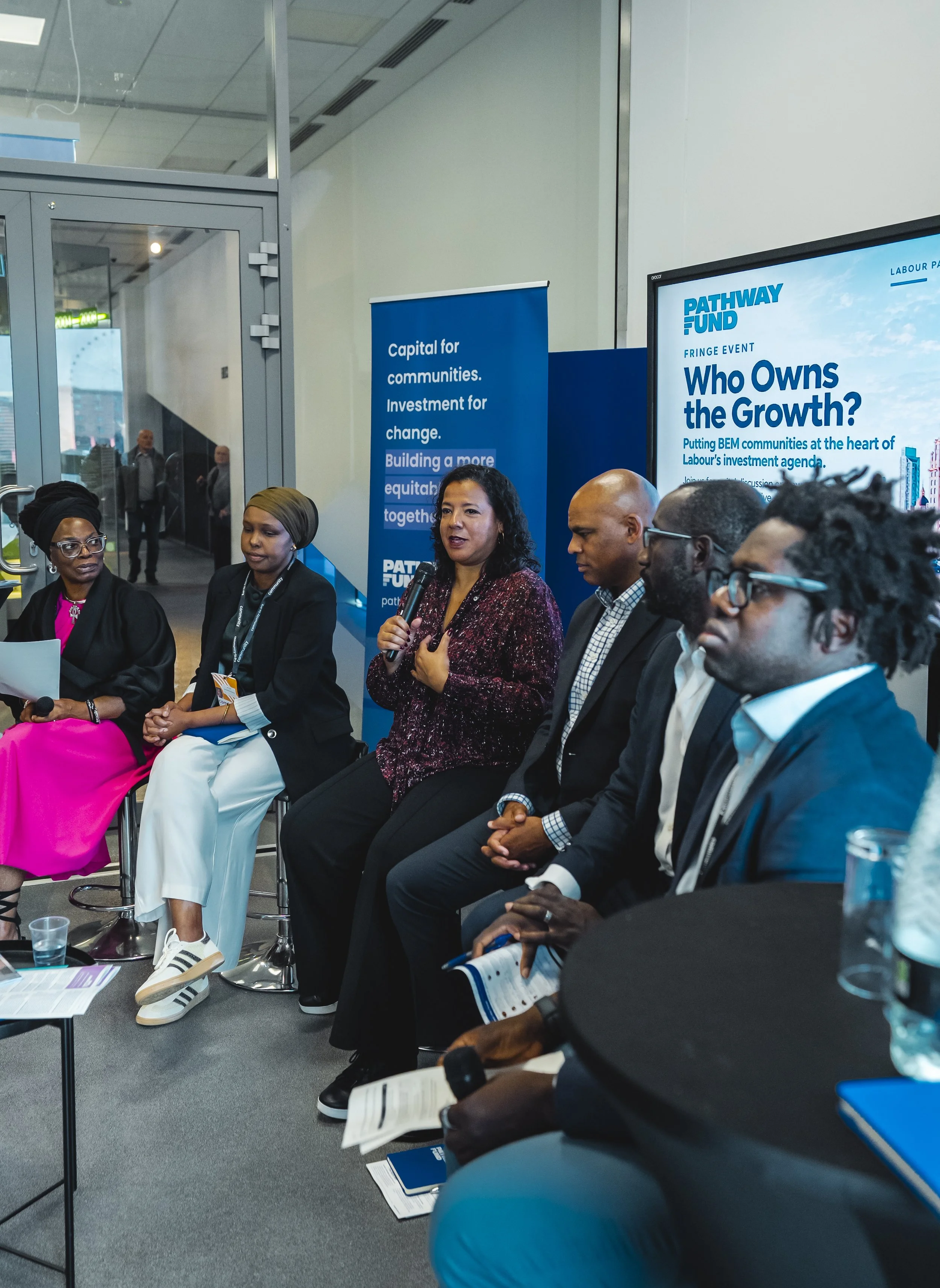
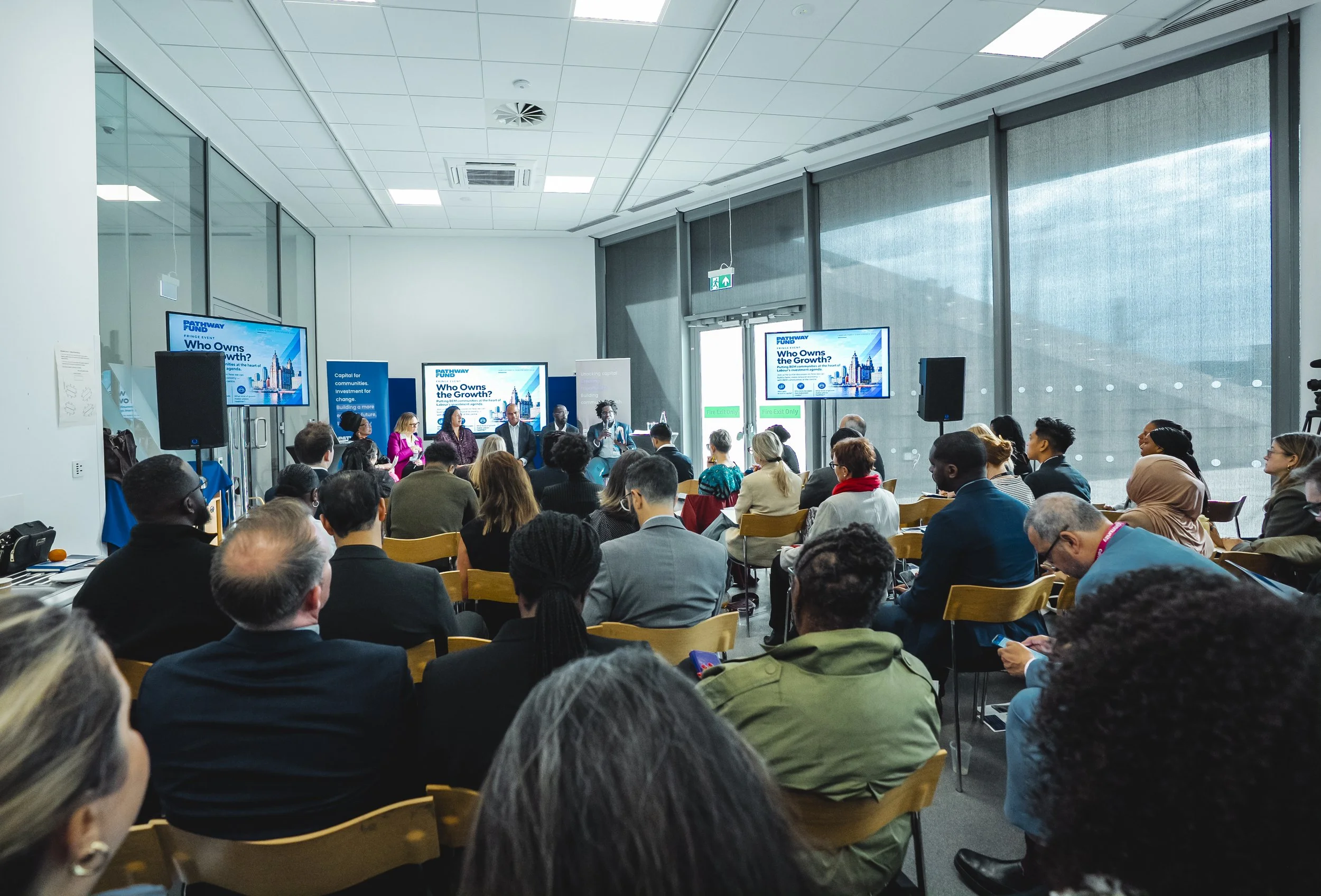
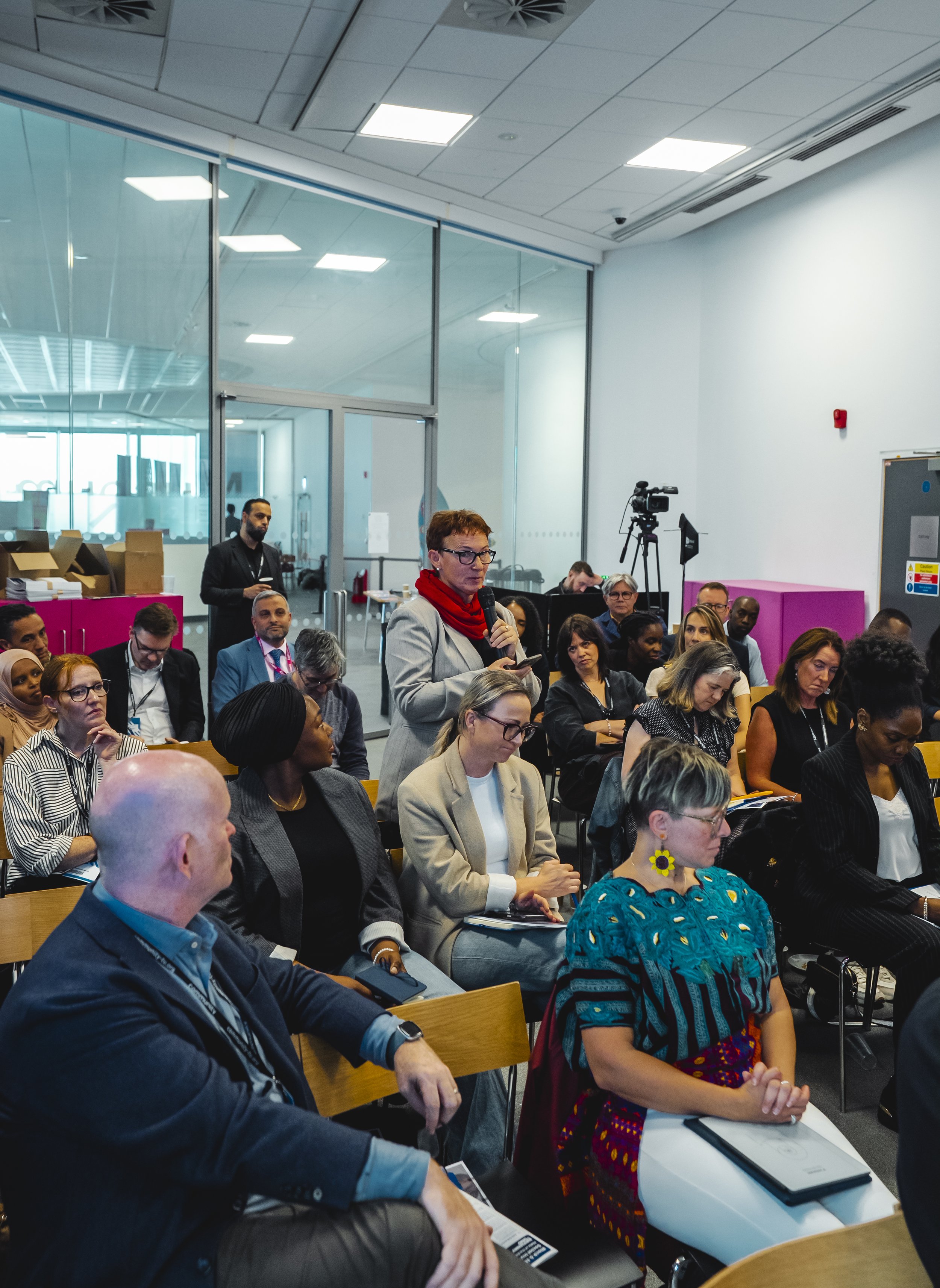
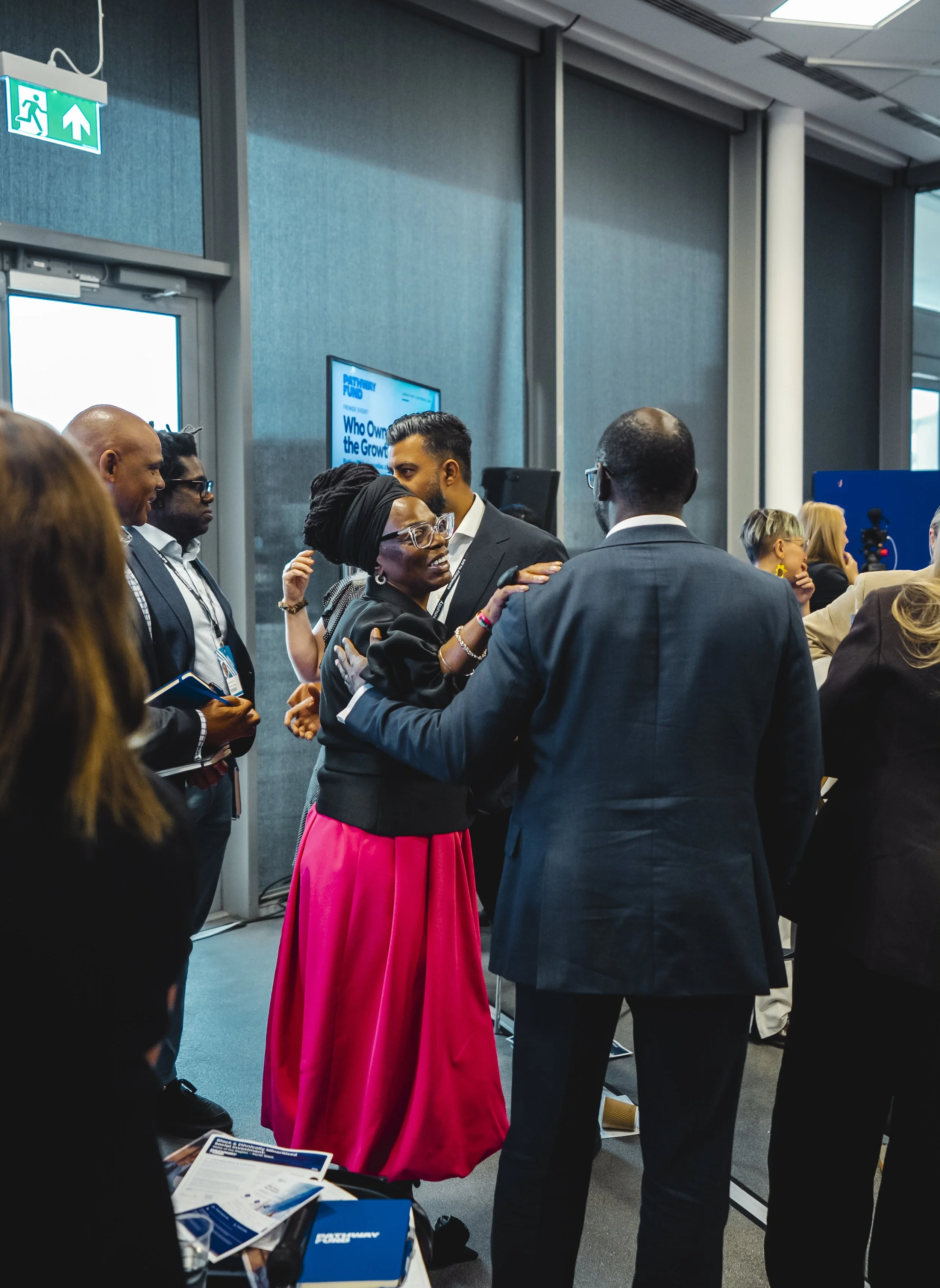
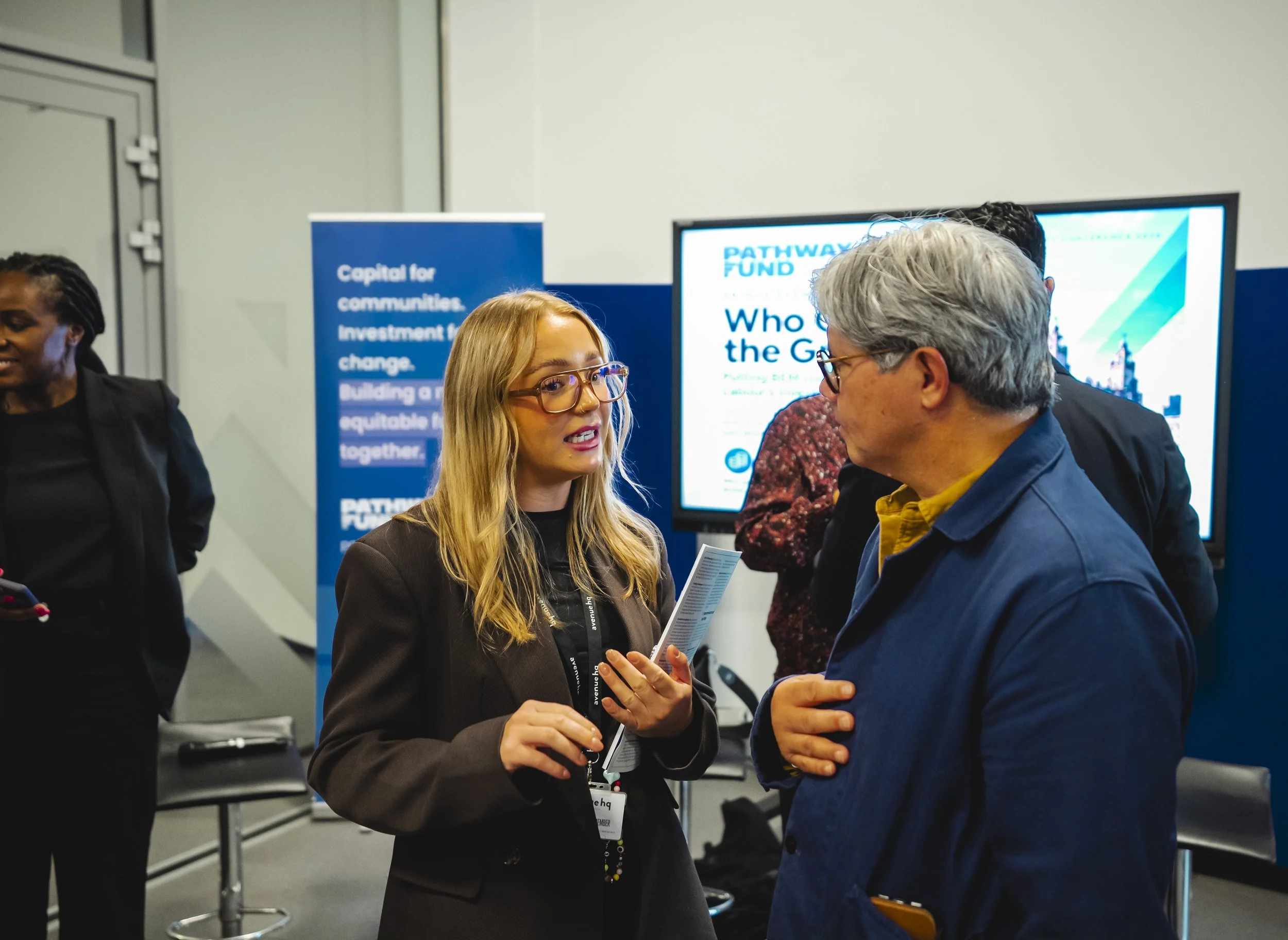
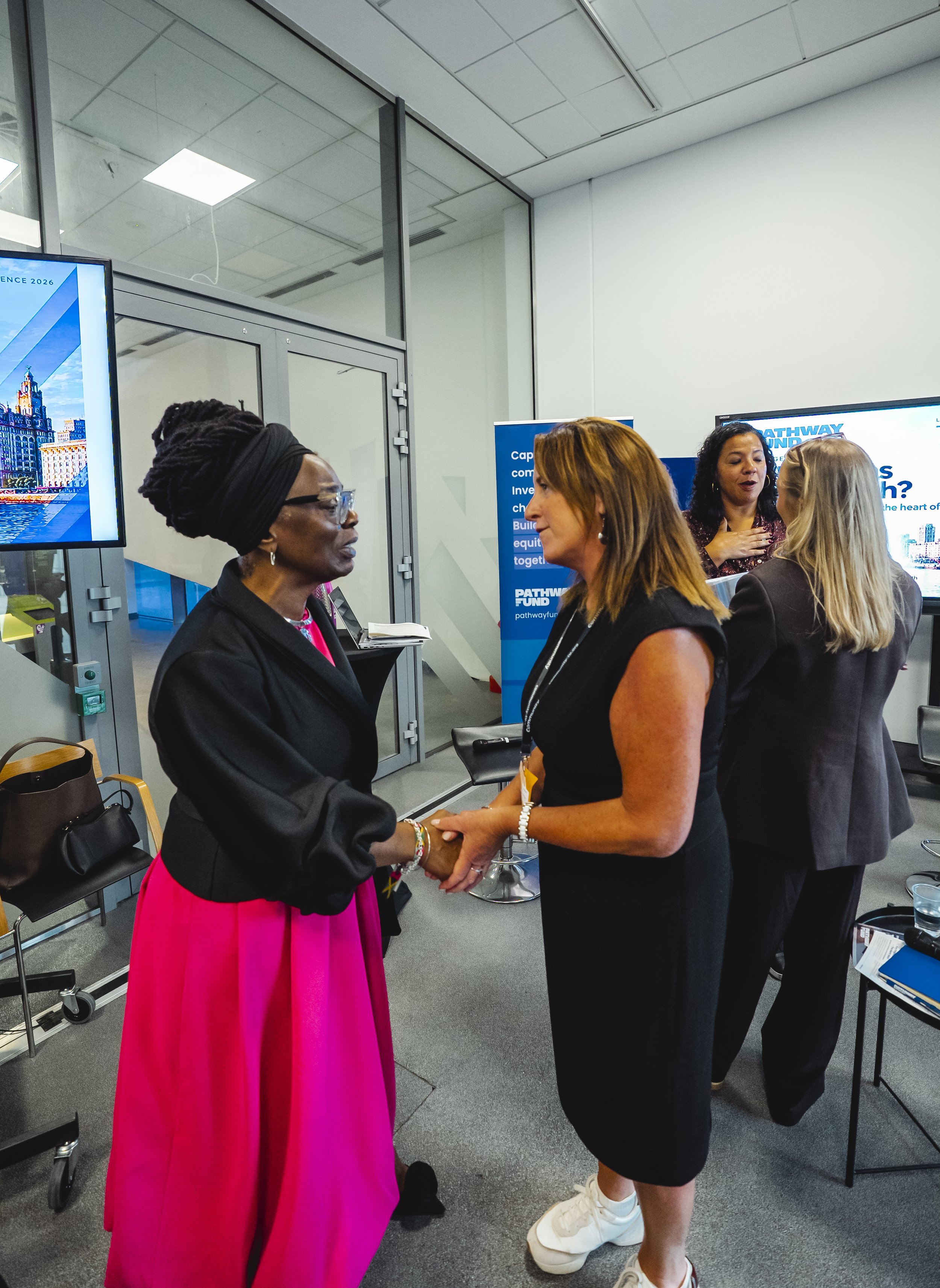
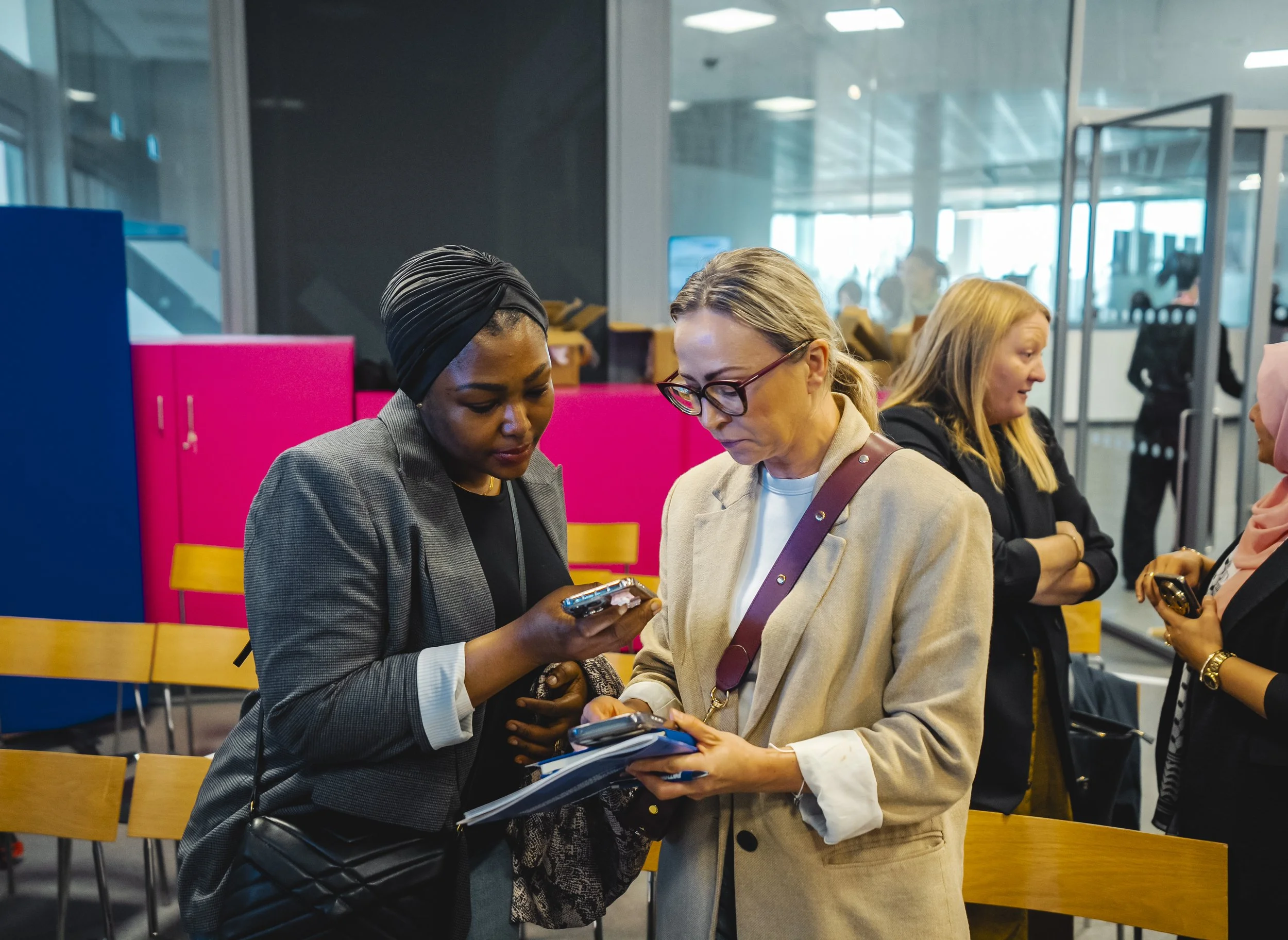
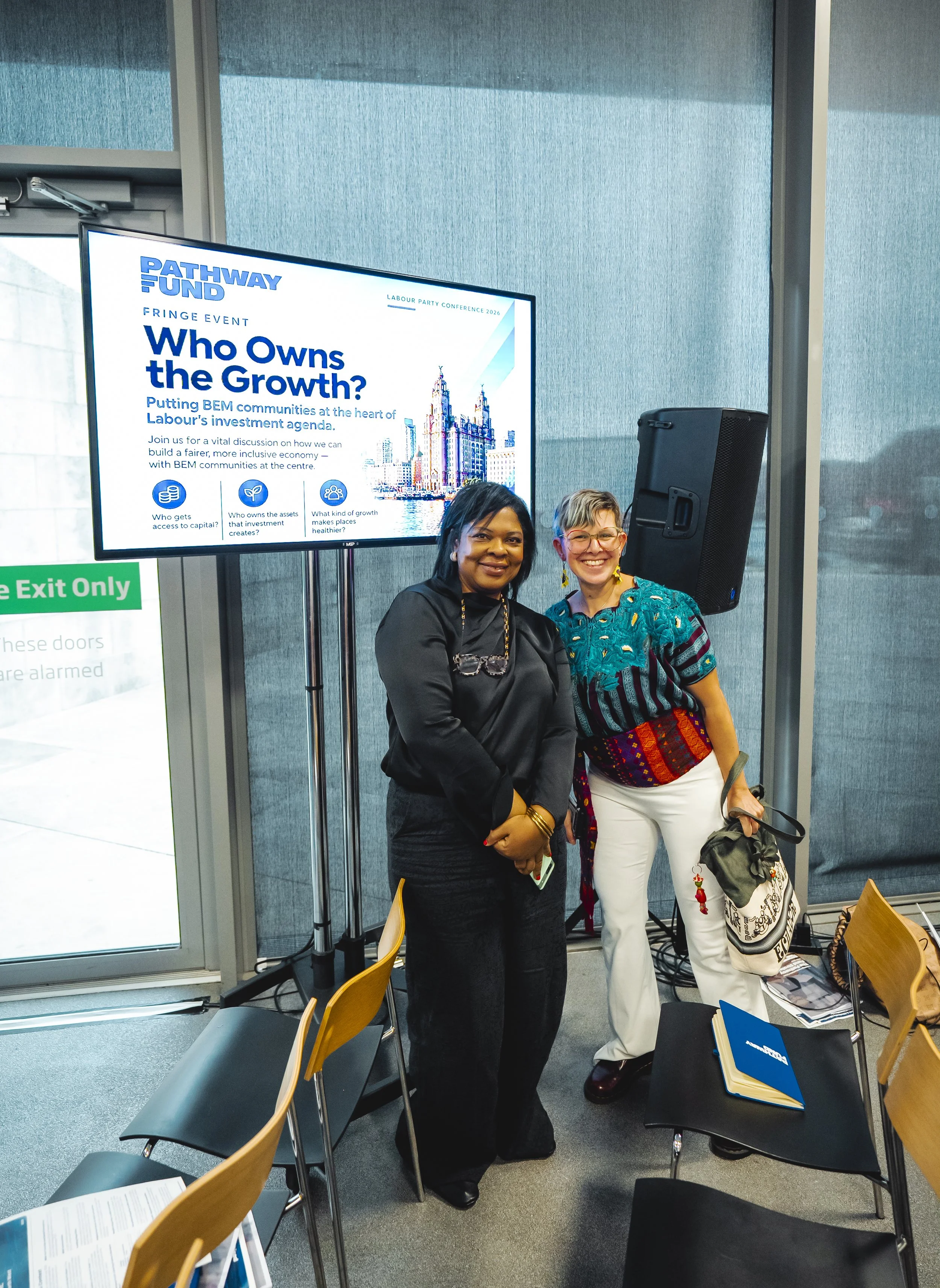
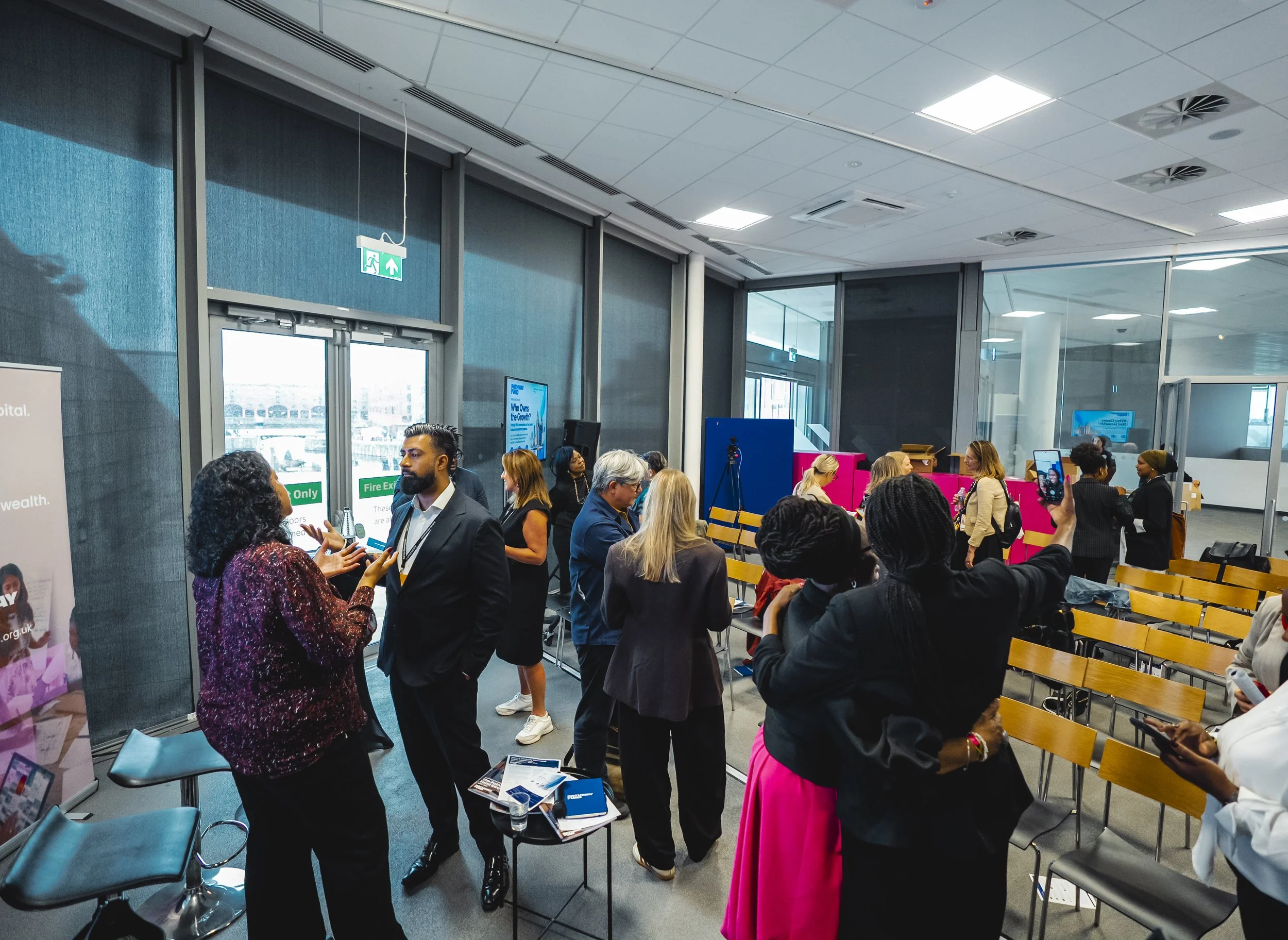
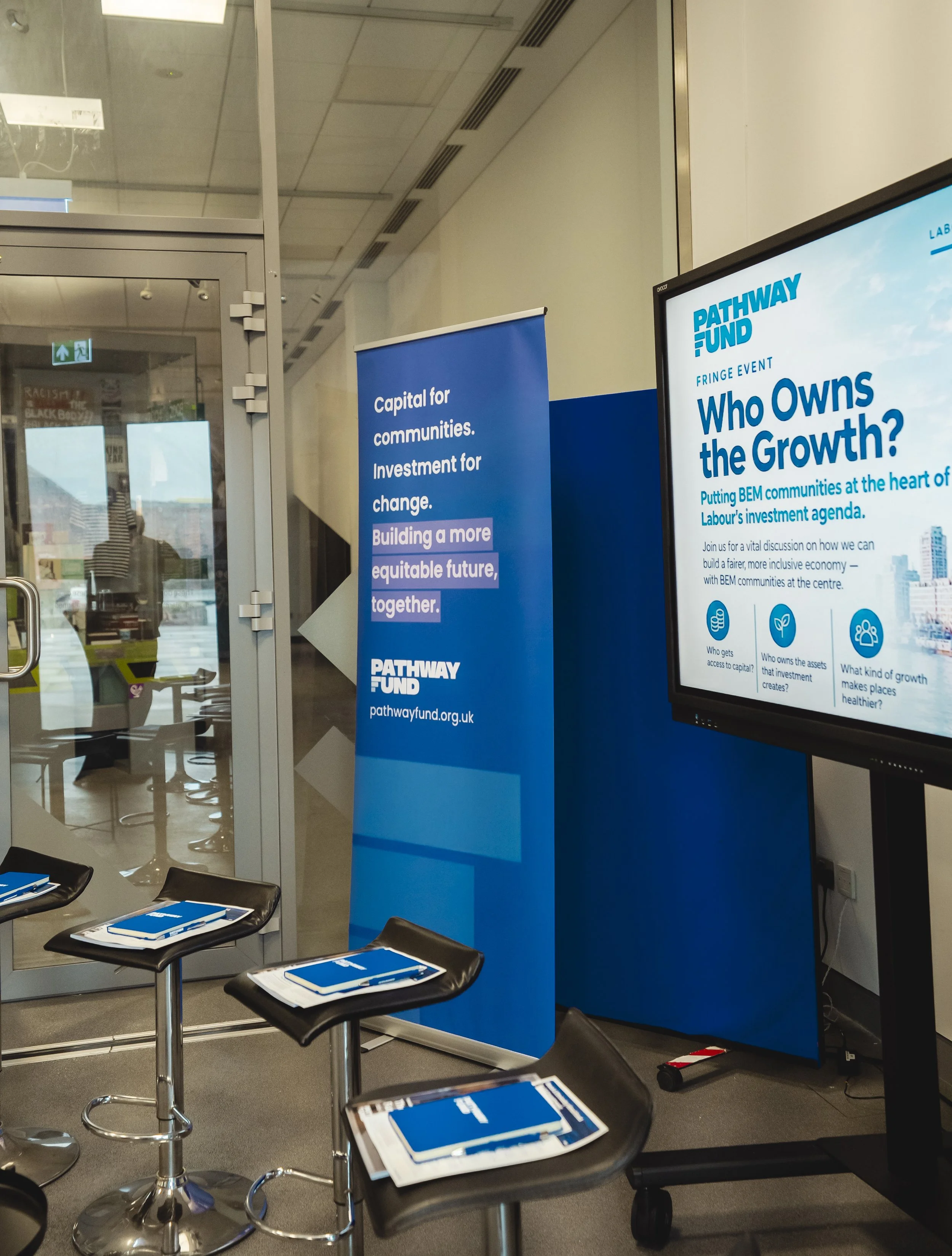
The session took place on the morning of Tuesday 29 September at the Museum of Liverpool as a listed fringe event at Labour Party Conference. I co-chaired alongside Pathway Fund co-founder & Board Director Stephen Bediako OBE, in a room that brought together political and civic leaders, investors, and Black and ethnically minoritised founders and community-led organisations. Growth, investment and devolution now sit at the centre of the government’s programme. What that growth is for and who shares in it, is a question we wanted to put to the people who can act on the answer.
Pathway Fund is an impact investment wholesaler, founded in 2022 in response to the Adebowale Commission’s recommendation that Britain needed a Black-led social investment wholesaler. We exist so that BEM led organisations have greater and better access to finance, and so that economic growth becomes equitable and inclusive. The need is clear. BEM led social enterprises, intermediaries and fund managers are statistically less likely to receive social investment. Around 60 per cent of the financing for these organisations comes from the personal savings and employment income of their own directors and only around 20 per cent from grants. Fewer than 1 per cent of UK financial assets are managed by people from BEM communities. None of that reflects the quality of the organisations. It reflects a system that can be changed.
Our purpose in Liverpool was to make that case in front of people who can change the system: to show how impact investment and community ownership can deliver on the government’s growth, devolution and health missions; to give BEM led organisations a national platform; and to celebrate Liverpool City Region, where BlaST and Kindred show what Black-led leadership delivers when it is properly capitalised. These communities are builders of the national economy. They have too often built it without the capital others take for granted.
We built the morning around three questions, which the rest of this post responds to:
1. Who gets access to capital? The barrier is not talent or ambition. It is who can draw on family wealth, established networks and the relationships that come with them, and whether the route to capital is clear enough to navigate.
2. Who owns the assets that investment creates? Communities should hold a stake in what growth builds, not merely receive some of its benefits, and ownership only works when it comes with the support to use it.
3. What kind of growth makes places healthier? Growth worth having is judged by who can participate, whether child poverty and health inequalities fall, and whether wealth stays in communities, not by the buildings that go up.
Access to capital must lead to ownership
Our first two questions, who gets access to capital and who owns what it creates, turned out to be inseparable. Across the panel, the message was that access is only the beginning.
Helen Godwin, Mayor of the West of England, spoke about the opportunity regional leaders have to make growth reflect the people and places they serve. Her challenge was also a practical one: authorities cannot assume capital will reach every community without deliberately involving the organisations that know where the gaps are. And when public support helps create an asset, communities should be able to hold a stake in it — not merely receive some of its benefits.
Joanne Anderson brought that point to life through Liverpool’s social economy. At Kindred, organisations have helped shape the investment products they need, rather than being asked to fit a predetermined model. Joanne described the demand for land and property among social trading organisations, and the support needed to turn an asset transfer into a viable enterprise: surveyors, maintenance planning, finance and time. Ownership without that support can simply pass a liability to a community. Ownership with it can keep jobs, income and decisions rooted in place.
Lord Marvin Rees reminded us that none of this happens through policy wording alone. Political leaders have to make room for serious conversations about race, class and inequality, challenge the reflexive “we don’t do it that way”, and enable communities to lead. His description of public bodies as good followers stayed with me: ask leaders what they need, back their plans, and remain alongside them without taking the wheel.
Lord Peter Babudu added another essential dimension. Entrepreneurs who cannot draw on family wealth or established networks need access not only to early capital, but to the relationships and support that often come bundled with it for others. He also challenged us to treat health as an economic issue. A growth strategy cannot be called successful if the jobs it creates, the businesses on local high streets, or the conditions under which people work damage the health of the place.
That brings me to our third question: what kind of growth makes places healthier? Taken together, the panellists asked us to judge growth differently: by who can participate, whether child poverty and health inequalities fall, and whether wealth remains in communities — not simply by the number of buildings that go up. That is how I would answer it. Growth makes places healthier when it is judged by participation, health and shared wealth, not by output alone.
Sado Jirde showed what institution-building demands
When Mayor Godwin left and Sado Jirde, CEO of Black South West Network joined the panel, the conversation moved from principle to the work of building something durable. Sado described how BSWN secured a 125-year lease for the Coach House and £2.5 million towards the first phase of its refurbishment, while still working to secure the further funding needed to realise its full vision.
Her point was not simply that communities need buildings. They need the freedom to imagine what those buildings could become — and the business planning, financial knowledge, investment and political partnerships to make that ambition real. That is how an asset becomes an institution that can serve a community for generations. It is also the clearest answer I heard to our second question: ownership matters most when it becomes the foundation of an institution a community controls and can sustain.
The questions from the room sharpened our task
The audience brought all three of our questions down to earth. The Q&A made clear that there is no single founder, community or definition of growth. A disability advocate challenged investors to recognise that founders living with chronic conditions may build at a different pace. Others asked how community gains can survive a change of government, and how communities that are overlooked in familiar categories — including European migrant communities — can be seen and supported. Black women founders pressed the question of why competence and experience so often fail to translate into access to capital.
One Liverpool entrepreneur asked the most immediate question of all: who should I actually speak to about growth capital and property-backed expansion? If our investment ecosystem cannot give a clear answer, it is not yet working well enough.
Georgina Wilson of Bud Leaders then asked who would bring organisations together to build shared infrastructure, rather than leaving each to solve structural problems alone. Sado, Peter and Marvin all saw a role for Pathway in holding that space. I agree.
What Pathway must push forward
Pathway’s role is bigger than investment alone. We can convene, influence and build knowledge as well as move capital. Everything we heard falls under the three questions we posed. The discussion gives us a clear agenda to develop with partners:
Make the route to capital easier to navigate. Work with regional authorities, local intermediaries and investors so founders can identify the right people and products — including for property-backed growth, early-stage ideas and enterprises seeking steady, sustainable growth rather than a conventional high-return trajectory. Question one: access to capital.
Back ownership with the means to use it. Explore investment and practical support that help community organisations acquire, develop and sustain assets, without leaving them to carry costs they cannot absorb. Question two: ownership.
Build a lasting network of practice. Bring fund managers, community-led organisations, regional leaders and investors together regularly to share contacts, models and hard-won lessons across places. The relationships formed in Liverpool should not end when everyone leaves the room. Question one: access to capital.
Change what we count. Keep pressing for investment decisions to recognise health, disability, child poverty, community wealth and resilience alongside financial returns. Question three: healthier places.
Help build institutions, not just projects. Support the leadership, skills and partnerships that allow organisations to endure beyond one grant, one programme or one administration. Question two: ownership.
As Stephen Bediako, Pathway’s co-founder, put it in closing, the work happens at three levels: sustaining the individual leader, strengthening the organisation, and building institutions and ecosystems that last. That is the task Pathway has taken away from Liverpool.
My thanks to Helen, Joanne, Marvin, Peter and Sado; to Stephen for co-chairing; and to everyone whose questions challenged and enriched the conversation.
If we want growth to benefit the whole country, the communities too often kept at its margins must have the capital, the ownership and the power to shape it.